Public Relations Portfolio
My PR portfolio reflects the hands-on experience and valuable skills I’ve gained during my time as an Auburn student; from mastering AP style and meeting deadlines to leading creative projects, building strategic campaigns, and communicating with intent.
Here are a couple of examples of my work:
Research Campaign
For my senior-year research campaign, I conducted a comprehensive, client-focused project centered on the Auburn women’s volleyball program at Auburn University. The objective was to evaluate the team’s brand positioning, audience engagement, and overall visibility while developing strategic recommendations to increase awareness and support. Through primary and secondary research, surveys, audience analysis, and competitive benchmarking, I analyzed digital presence, social media performance, and fan engagement trends. This project strengthened my skills in data analysis, strategic planning, and professional reporting, while teaching me how to translate research findings into clear, actionable insights that align with client goals.
Media Kit
A media kit is a set of materials that gives journalists and media outlets all the essential information they need about a person, brand, or organization. It usually includes a press release, fact sheet, background information, images, and contact details. As a PR student, creating a media kit helped me develop important skills like writing in AP style, fact-checking for accuracy, and organizing timely, relevant content. I learned how to meet tight deadlines, communicate clearly, and package information in a way that’s useful and engaging for the media. This project strengthened both my writing and design abilities while also teaching me the importance of professionalism and attention to detail. Overall, it gave me hands-on experience in creating polished, media-ready content.
Parallel PR
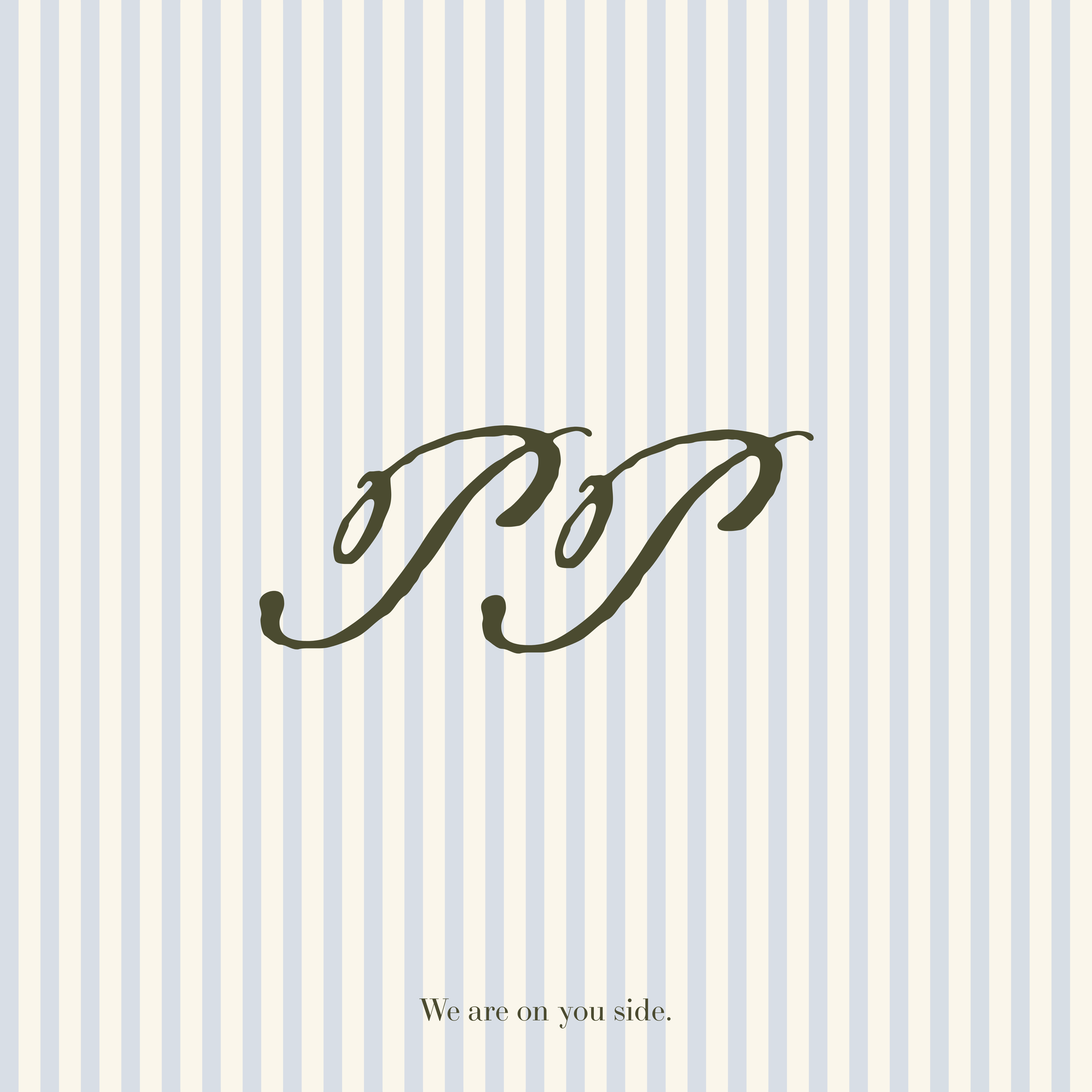
As a senior-level class project, my team and I created Parallel PR, a public relations and partnerships agency built to move side by side with brands. As Creative Director, I was able to combine my skills in Adobe platforms, creativity, and strategic thinking to help bring the project to life. We developed the agency from the ground up, including its name, slogan, mission, visual identity, and strategic approach. The name reflects our focus on alignment, and our slogan, “Always on your side,” conveys our commitment to working in parallel with clients’ goals. We incorporated stripes and symmetry in the design to express balance, precision, and partnership. Our mission emphasizes strategic communications that amplify stories, strengthen relationships, and drive measurable impact, prioritizing authentic storytelling, long-term connections, and thoughtful execution. This project allowed me to lead creatively while collaborating closely with my team, ensuring every element, from strategy to design, aligned with our vision and client-focused mission.
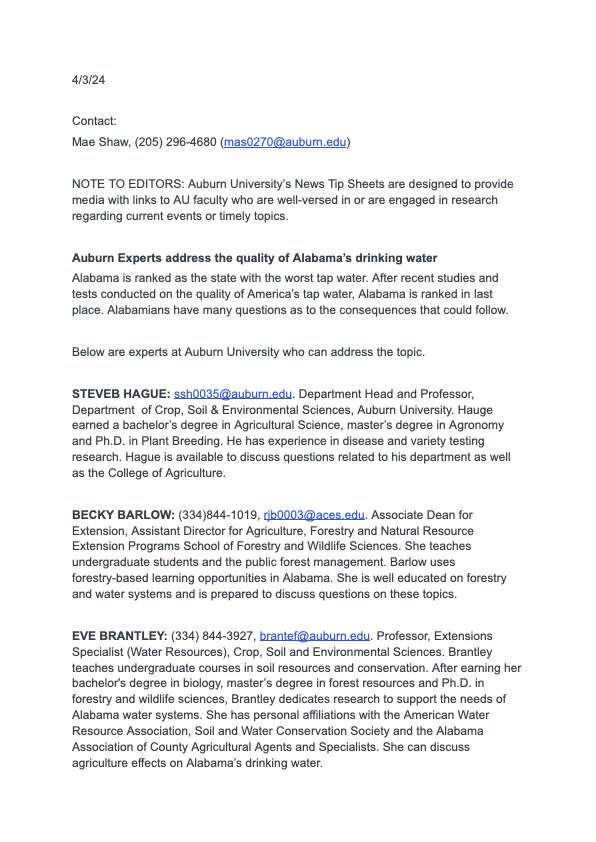
Tip Sheet
A tip sheet is a concise, easy-to-read PR tool that provides quick facts, helpful tips, or key information about a product, event, or topic to media professionals. It’s designed to catch a journalist’s attention and make their job easier by offering newsworthy content in a clear, accessible format. Knowing how to write a strong tip sheet requires skills in AP style, clarity, organization, and audience awareness. As a PR student, learning to write tip sheets has helped me understand how to craft compelling messages and communicate efficiently under tight deadlines. A well-written tip sheet not only provides valuable content but also strengthens the relationship between PR professionals and news outlets by positioning the writer as a reliable source of timely and relevant information. When done effectively, a tip sheet can increase media coverage, enhance brand visibility, and support ongoing media relationships.
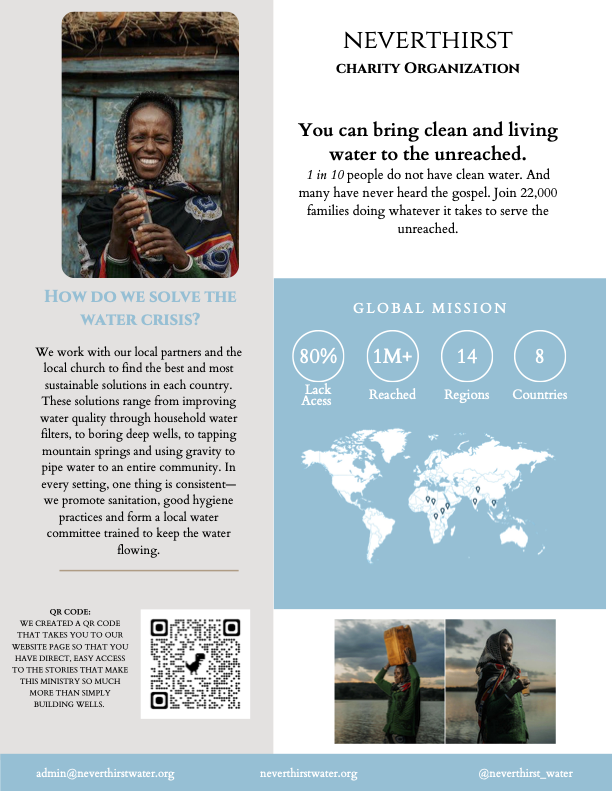
Media Pitch
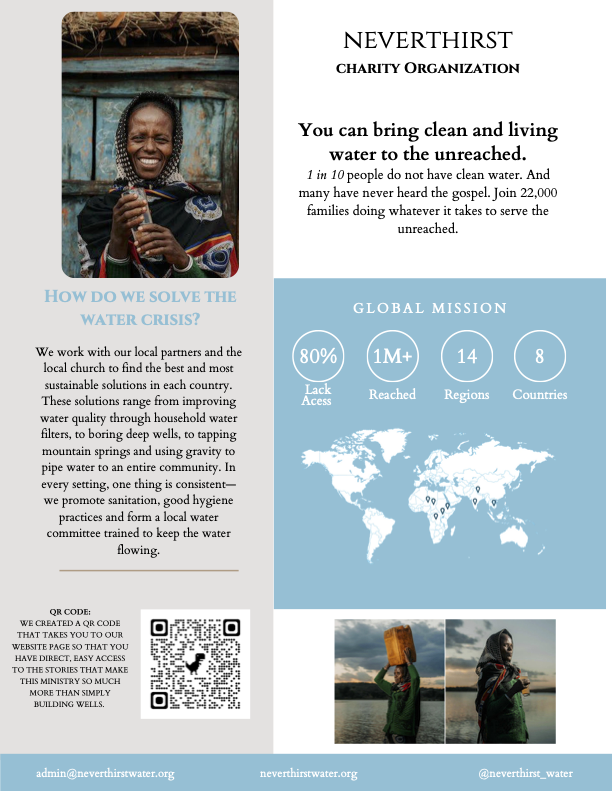
A media pitch is a brief, personalized message sent to journalists or media outlets to persuade them to cover a story, event, or organization. As a PR student, I learned the importance of crafting strong, targeted pitches that clearly communicate news value while aligning with the mission and tone of the organization—in this case, Never Thirst, a ministry I’m deeply connected to. Writing an effective pitch requires skills in concise writing, audience awareness, and research to ensure the content is relevant and compelling. It’s also an opportunity to represent the organization with excellence and professionalism, building trust with media contacts and increasing the likelihood of meaningful coverage.
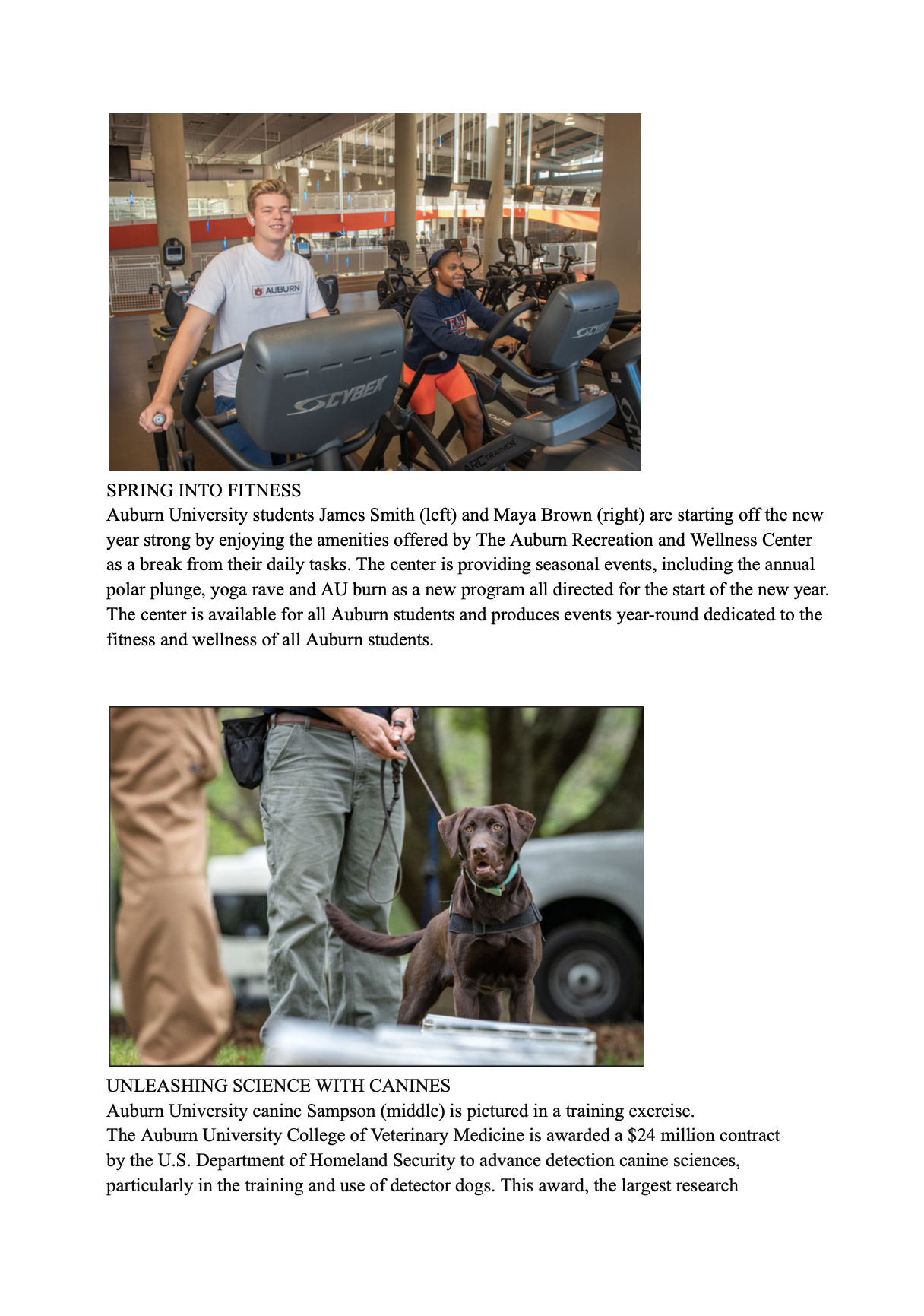
Cutlines
Cutlines, or photo captions, are brief descriptions that accompany images to provide context and enhance the viewer’s understanding. While writing cutlines for the Auburn Recreation Center, I learned how to match tone, highlight key activities, and ensure accuracy—all while keeping the message concise and engaging. Cutlines are important because they add essential context that helps fill in the gaps an image alone can’t convey, making the story more complete and meaningful. This task required strong attention to detail, clear communication, and a good sense of how visuals and text work together to tell a story. Effective cutlines strengthen brand storytelling and help audiences connect more deeply with the organization’s message.
Case Study
I completed a semester-long case study project where I conducted a deep dive into a real-world campaign, analyzing both its strengths and weaknesses. Part of our study included evaluating how the organization navigated a crisis—an invaluable experience for understanding how messaging, timing, and transparency can either strengthen or damage public trust. Studying PR cases, especially those involving crisis communication, is essential for learning how to think critically under pressure, respond effectively, and anticipate potential fallout. This project taught me how to evaluate outcomes, identify key takeaways, and recognize the factors that contribute to both successful and unsuccessful public relations efforts. Watching how a crisis unfolds and how it’s handled in real time offers powerful lessons that help shape how we prepare for and manage similar situations in the future.
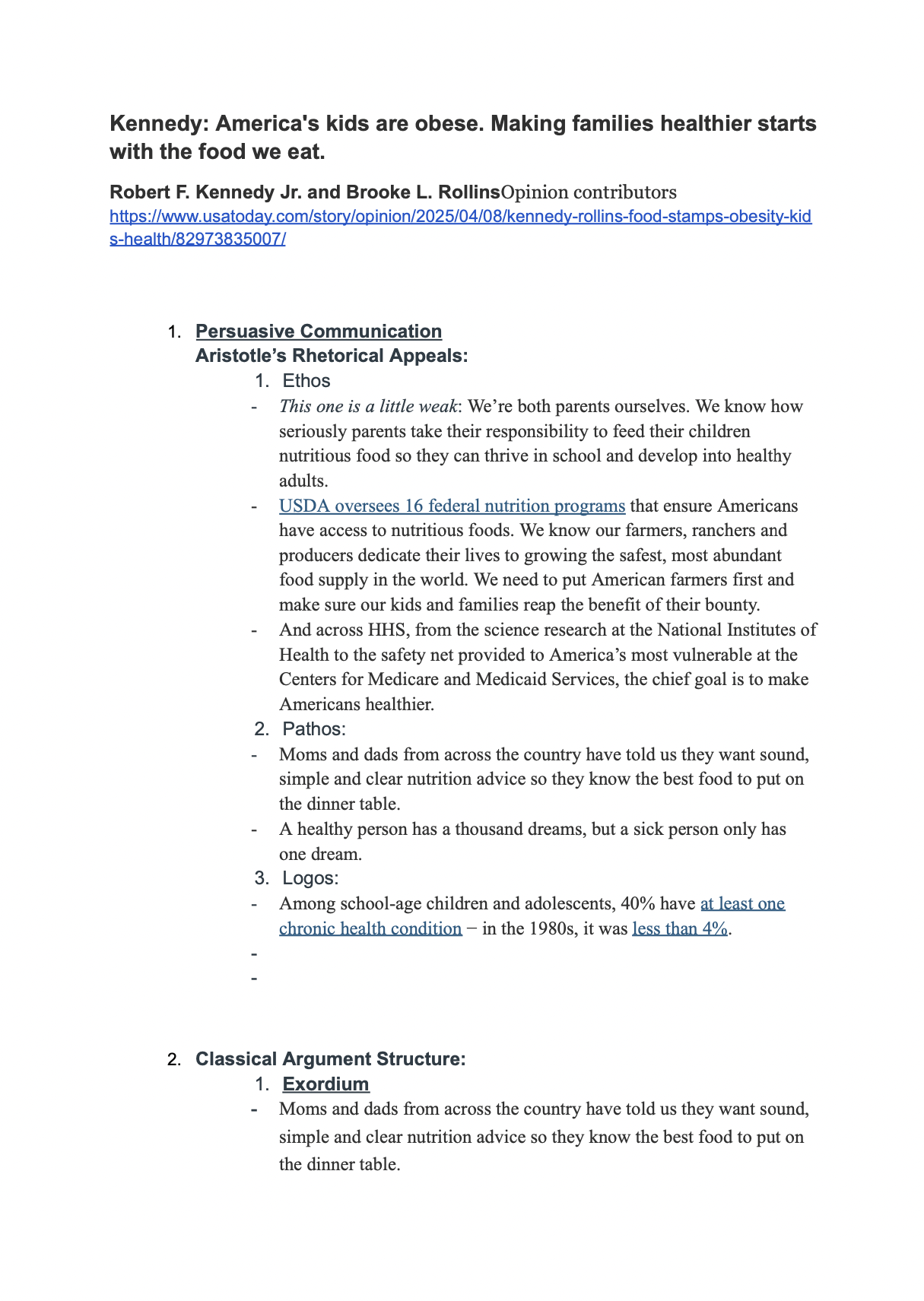
Op – Ed Study
An op-ed, short for “opposite the editorial,” is a written piece that expresses the opinion of the author on a relevant issue, often published in newspapers or digital platforms. In class, we studied how op-eds are used as persuasive tools in public relations to shape public opinion, influence policy, or bring awareness to a cause. Writing an effective op-ed requires strong persuasive writing skills, a clear understanding of the target audience, and the ability to present a compelling argument supported by facts. As a PR student, learning how to craft an op-ed taught me how to communicate a message with clarity, purpose, and impact. It’s a valuable tool for organizations and individuals looking to make their voice heard in a meaningful way.

Press Release Facilitation
A press release is a key public relations tool used to share newsworthy information with the media in a clear, concise, and professional format. In class, we facilitated the writing of a press release, which taught me how to craft a compelling lead, organize facts efficiently, and ensure accuracy and timeliness—skills that are essential in any PR role. This experience gave me a strong foundation in writing for external audiences and taught me how to frame a story in a way that captures attention and builds credibility. Learning how to write a press release has already proven valuable in my internships, where I’ve been able to apply these skills to real-world projects. It’s a practical and powerful way to communicate an organization’s message while building strong relationships with the media.
 Mae Shaw